Gentuity.
Harnessing the power of intravascular imaging.
Team
Beth Soucy—Design Lead
Chandlyr Jackson—UX Designer
Gentuity—Client
2016—2018
Capabilities
User Research
System Architecture
UX Design
UI Design
Learn more ↓
How might we develop a user experience that suits the needs of sterile & non-sterile operators coexisting in a fast-paced environment?
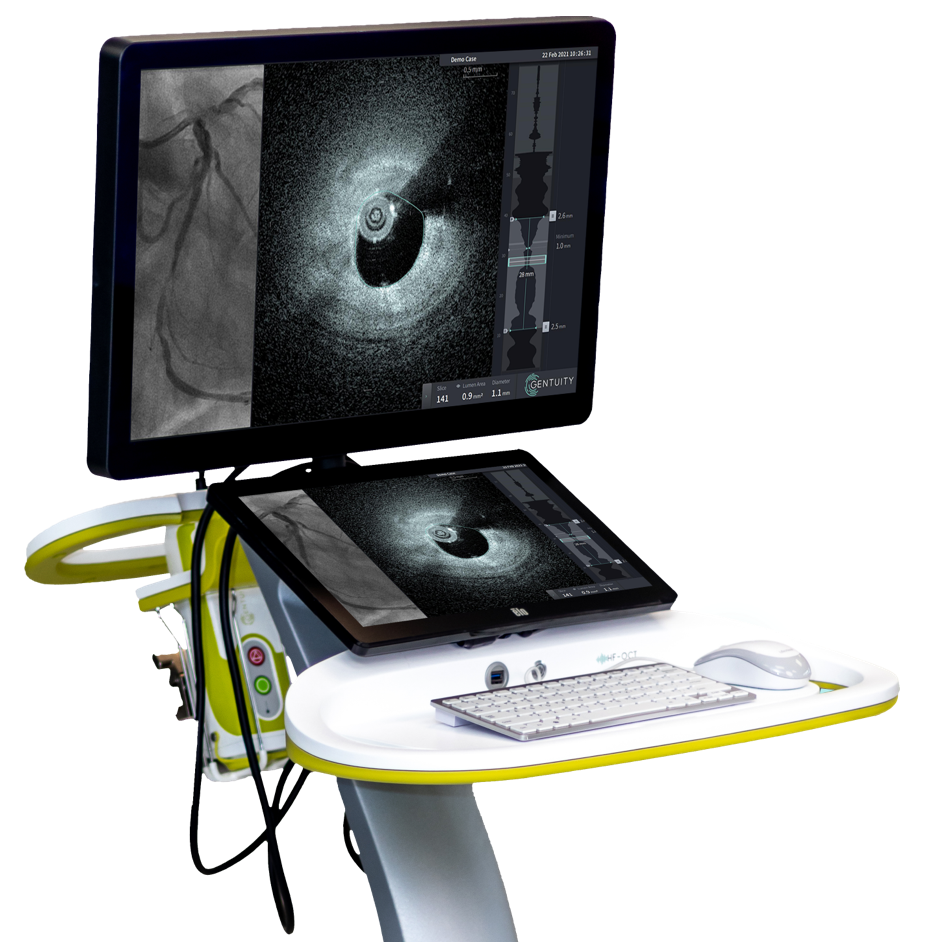
A Massachusetts-based startup, Gentuity, approached Loft to help them design and develop the user experience for an FDA compliant, HF-OCT imaging system powered by the world’s smallest catheter.
Minimally invasive PCI stenting has been around for many years, but the technology behind these devices have not evolved much since their inception. Gentuity identified an opportunity to enhance the process of intravascular imaging by creating a smaller imaging catheter technology, providing interventional cardiologists the ability to analyze the patient’s vessel in less time.
The Gentuity Imaging system needed an intuitive user experience that supported the needs of both the physician and the lab technician, putting user efficiency and precision at the forefront.
Formative Research Study 01
What are the pain points, and what features do users value?
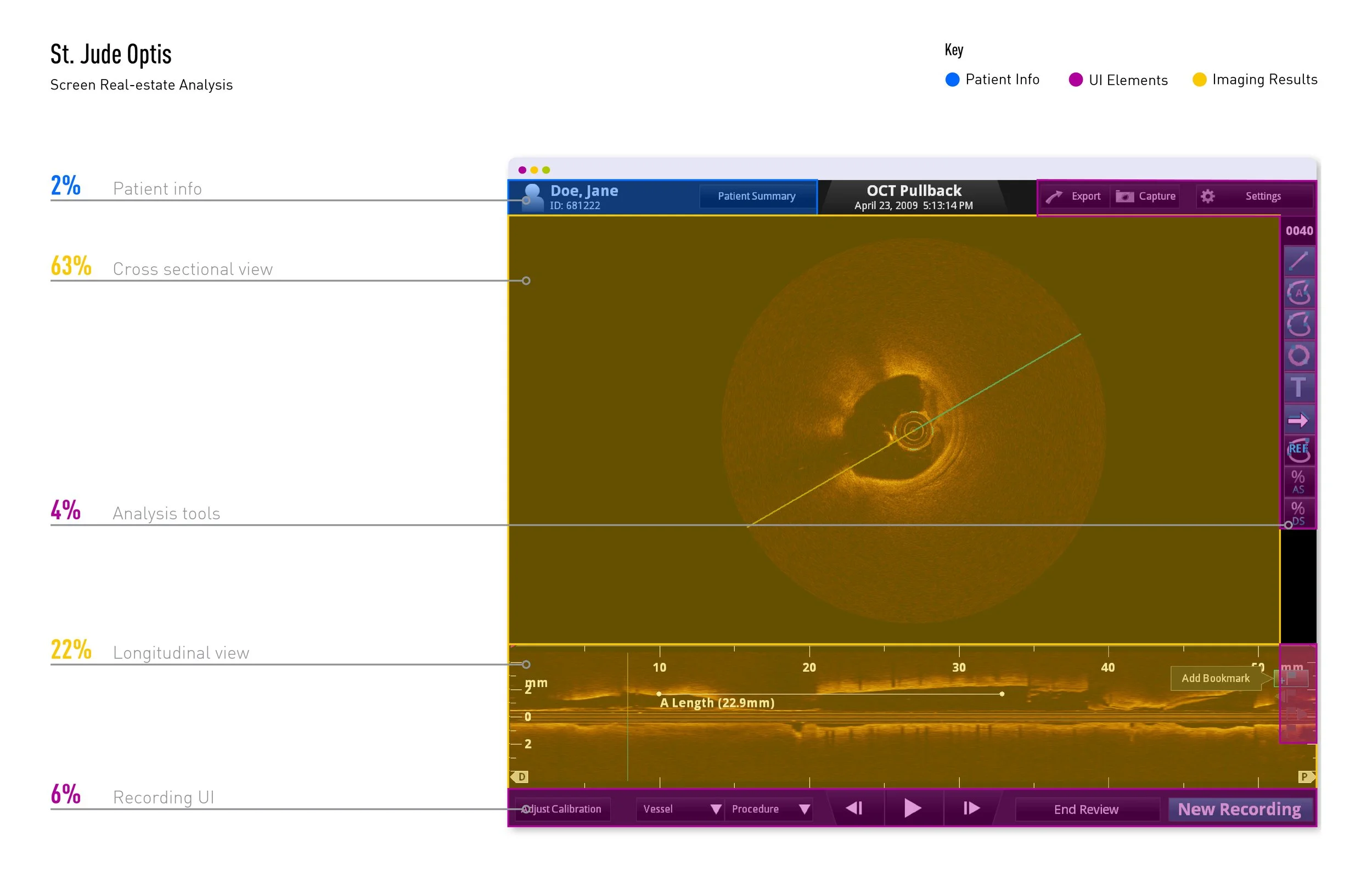
During the first formative study, we conducted foundational research starting with a competitive assessment and feature audit of all adjacent products on the market.
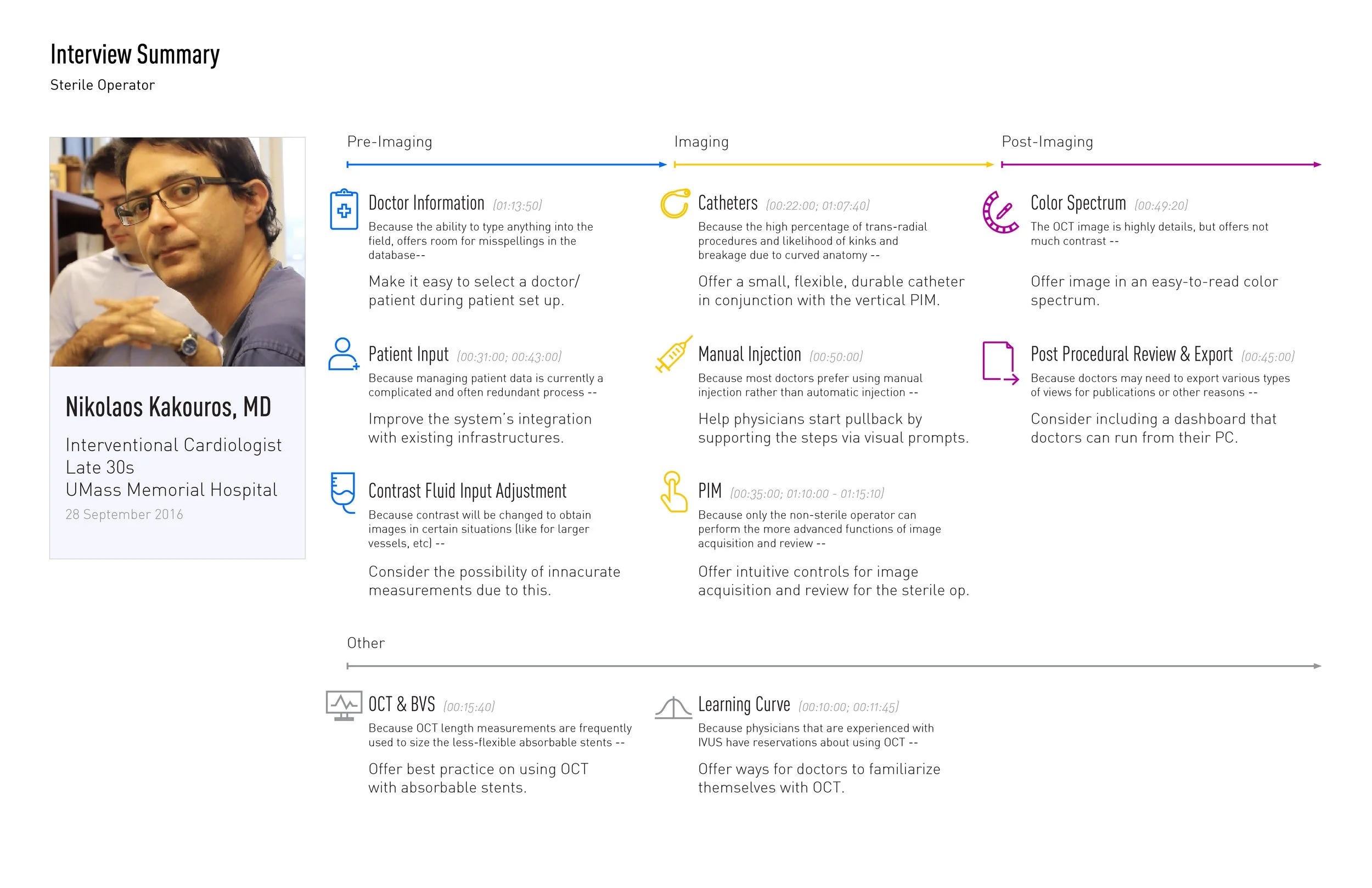
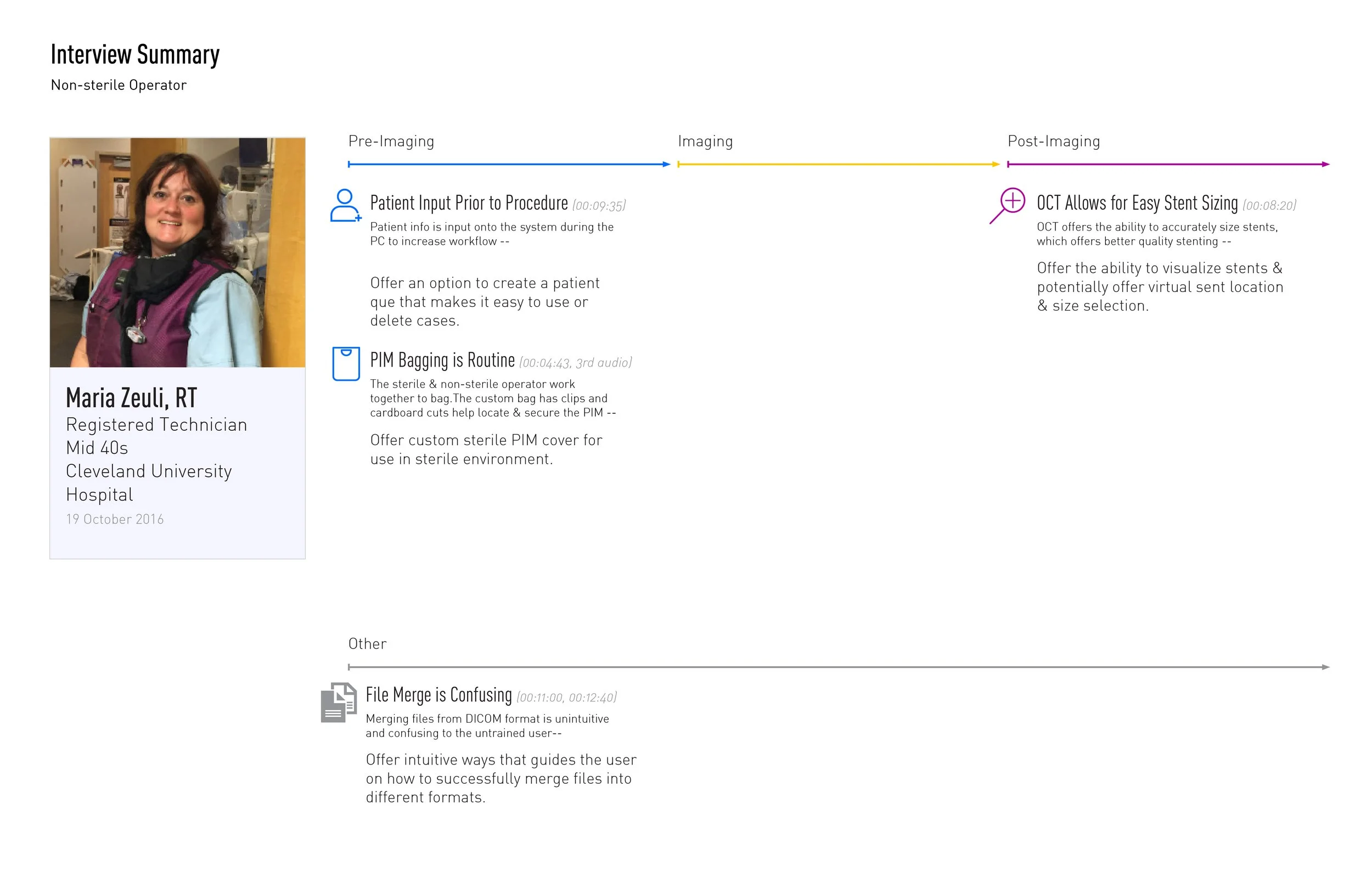
Then, we conducted an on-site observational study with physicians and lab techs where they walked us through the product(s) they currently use.
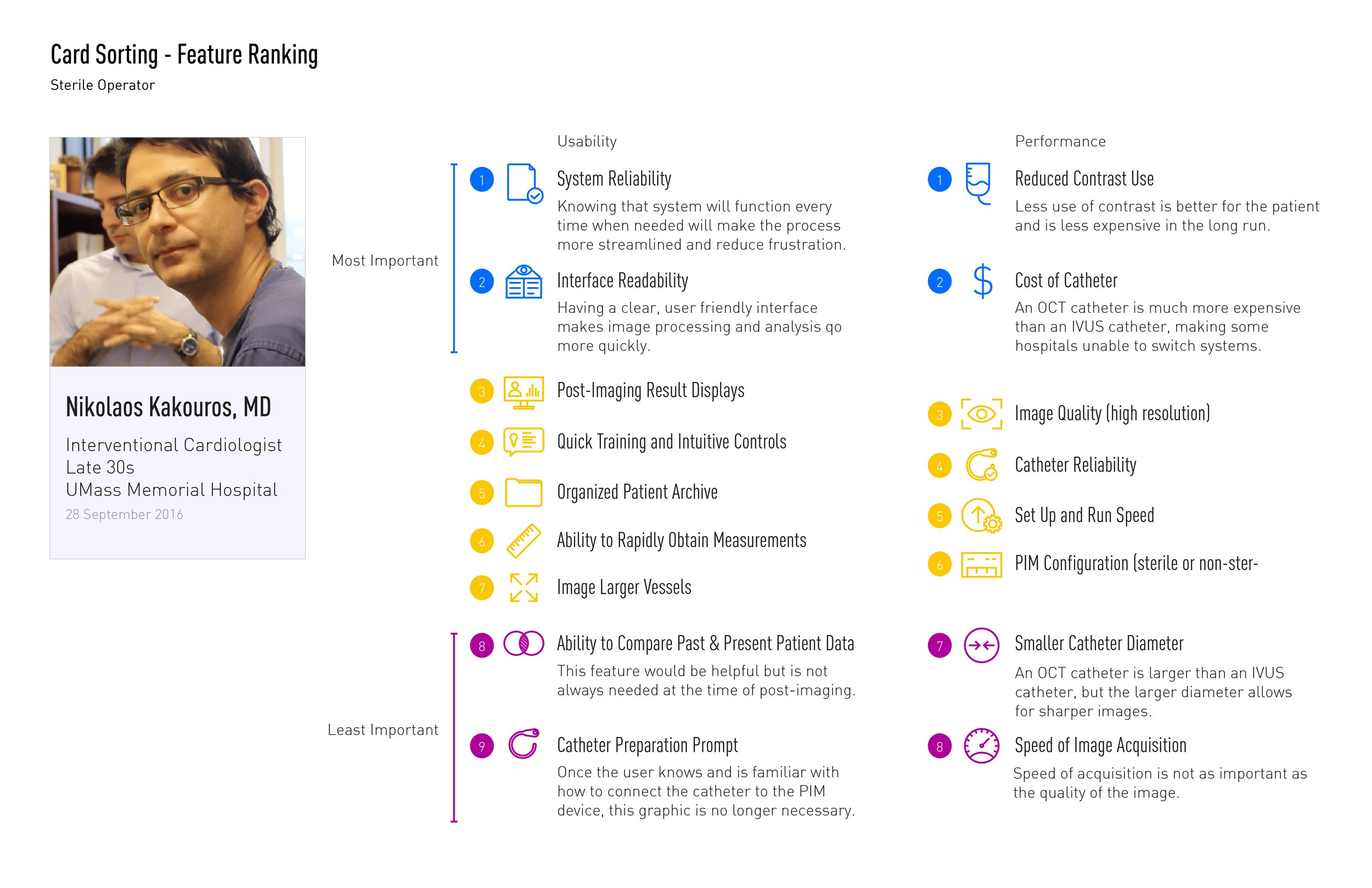
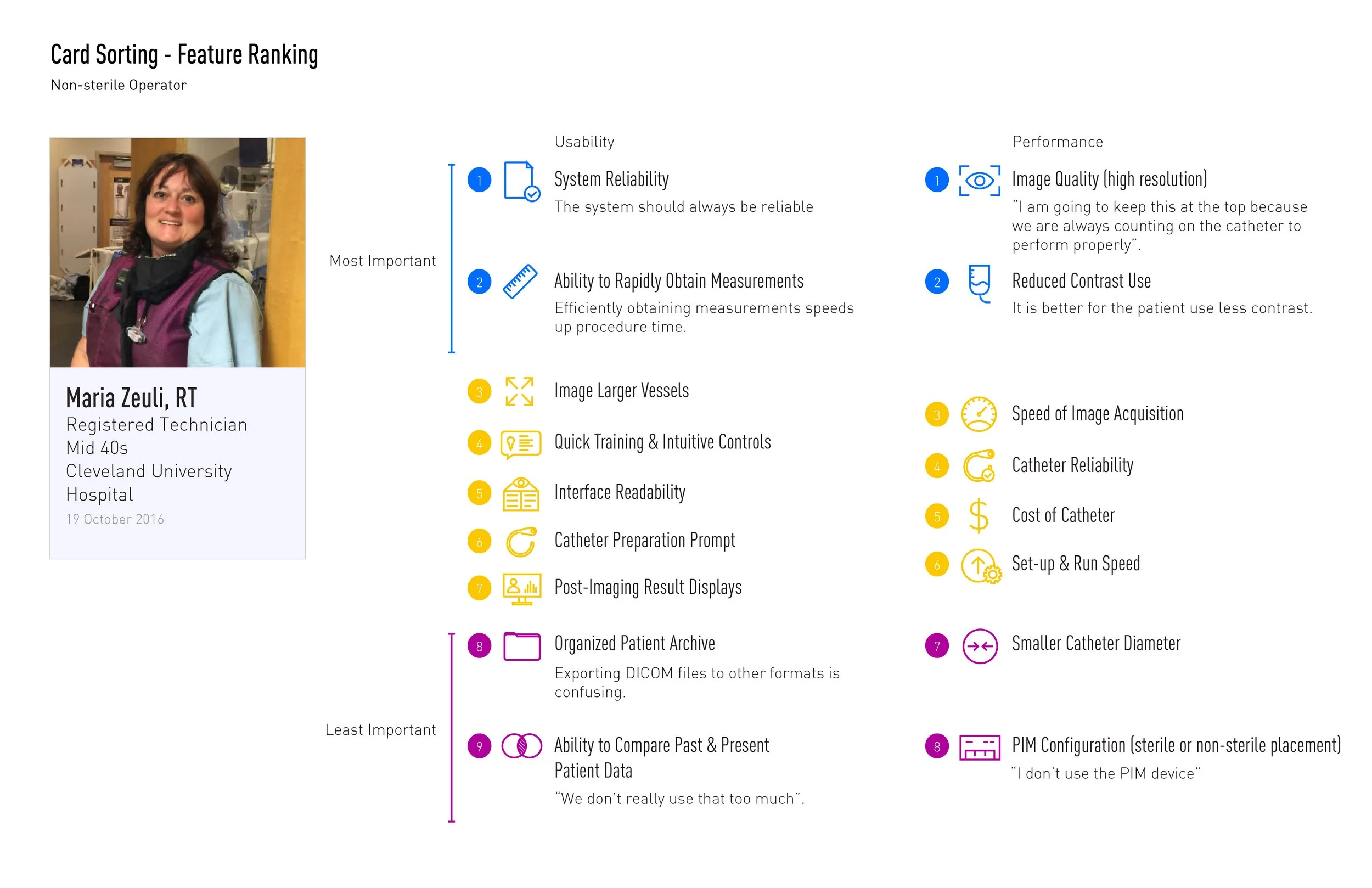
Finally, we led both user groups through a card sorting exercise in order to gain an understanding of the features they value, and how the prioritize them.
*Samples from the competitive assessment report


*Samples from the stakeholder interview report
*Samples from the feature ranking exercise
Research Analysis
What are the opportunities for improvement?
Our foundational research phase made it very clear that there were two core user groups to design for:
01—Physicians (sterile operators)
02—Lab Technicians (non-sterile operators)
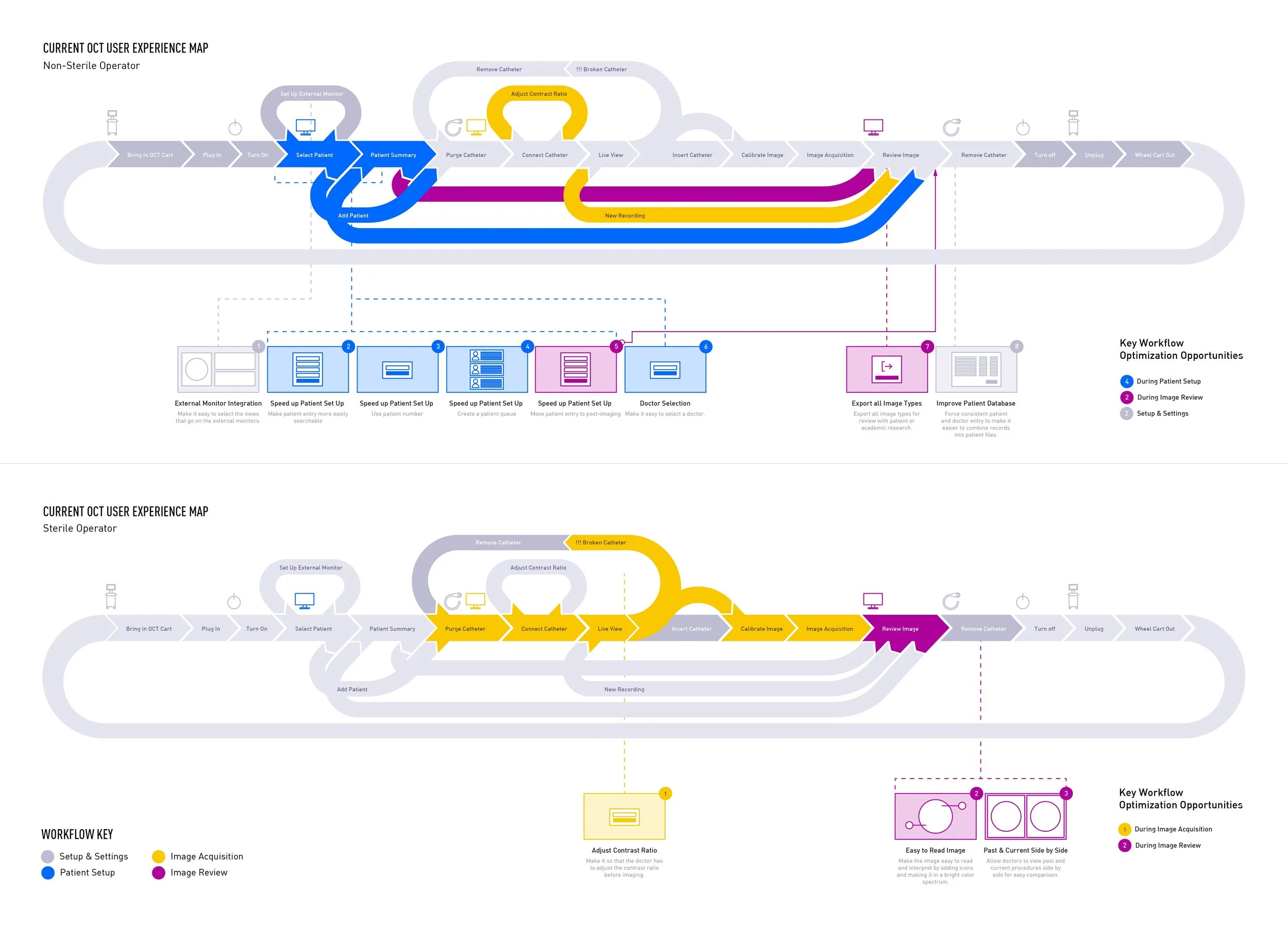
Based on what we learned from our observational studies, we created user experience maps for each user group based on their experience with the products they had already been using, documenting their step from start to finish. Then, we identified design opportunity areas.
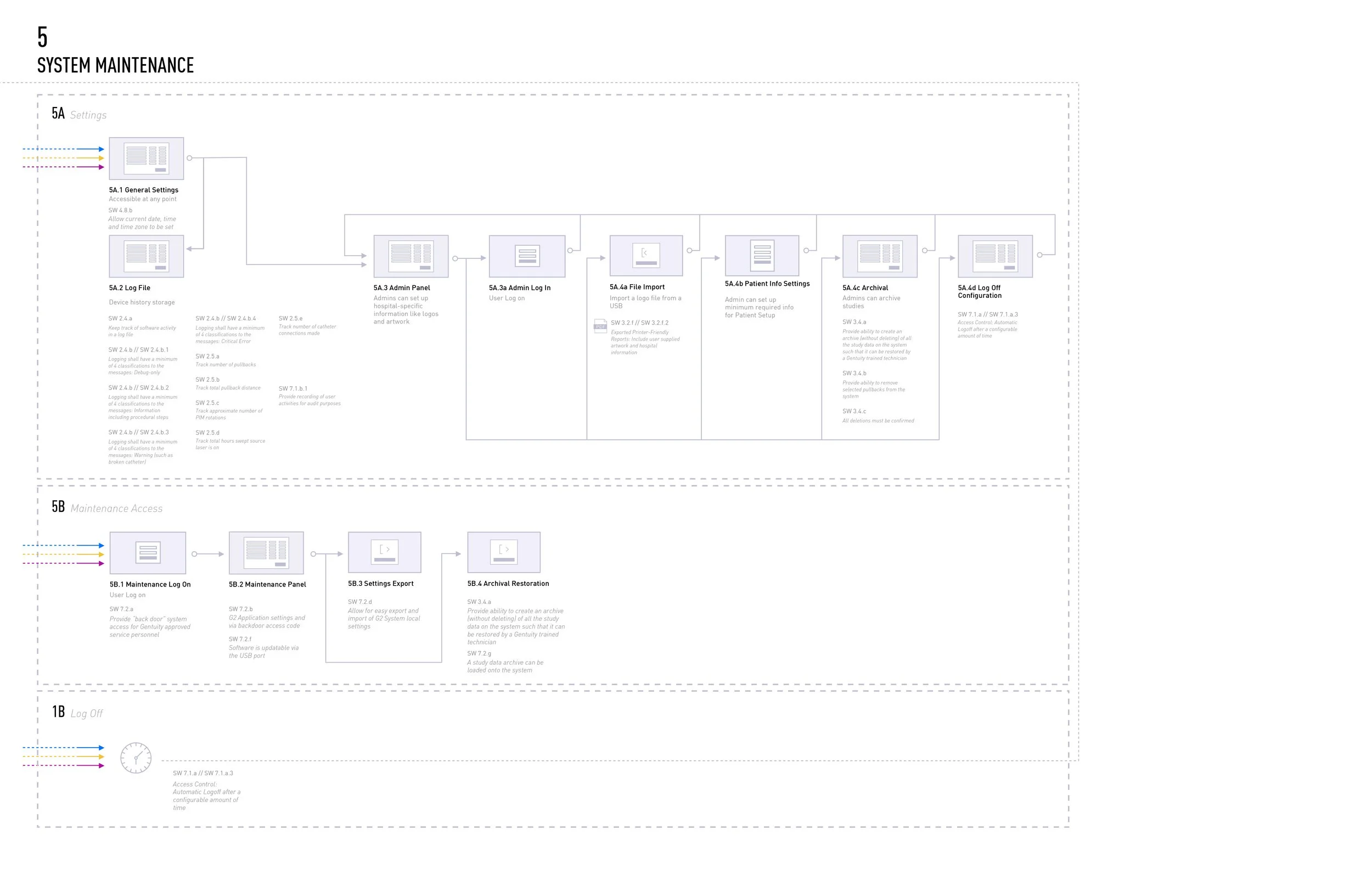
System Architecture
How will we ensure that all user needs, marketing requirements and software requirements are met?
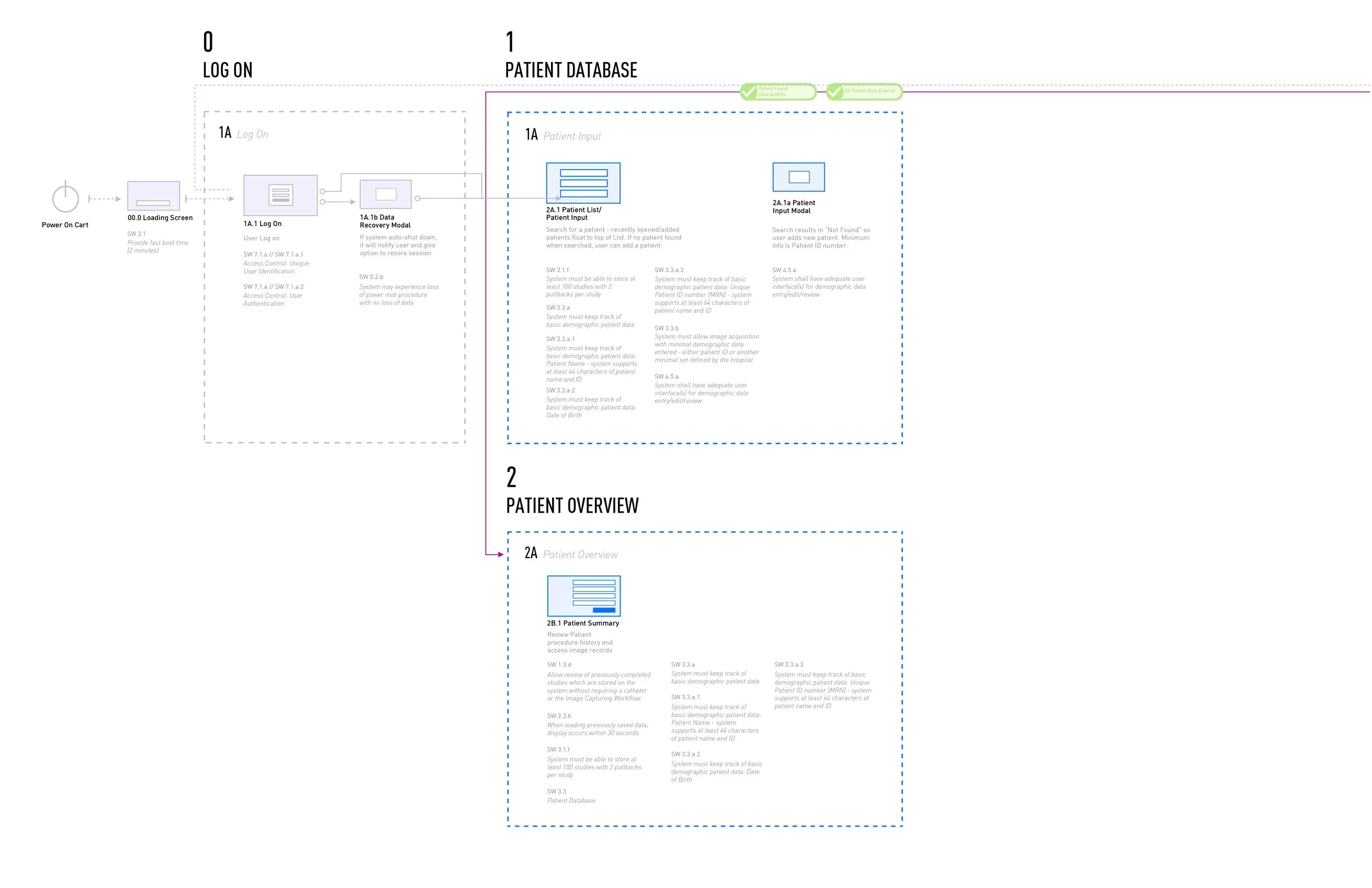
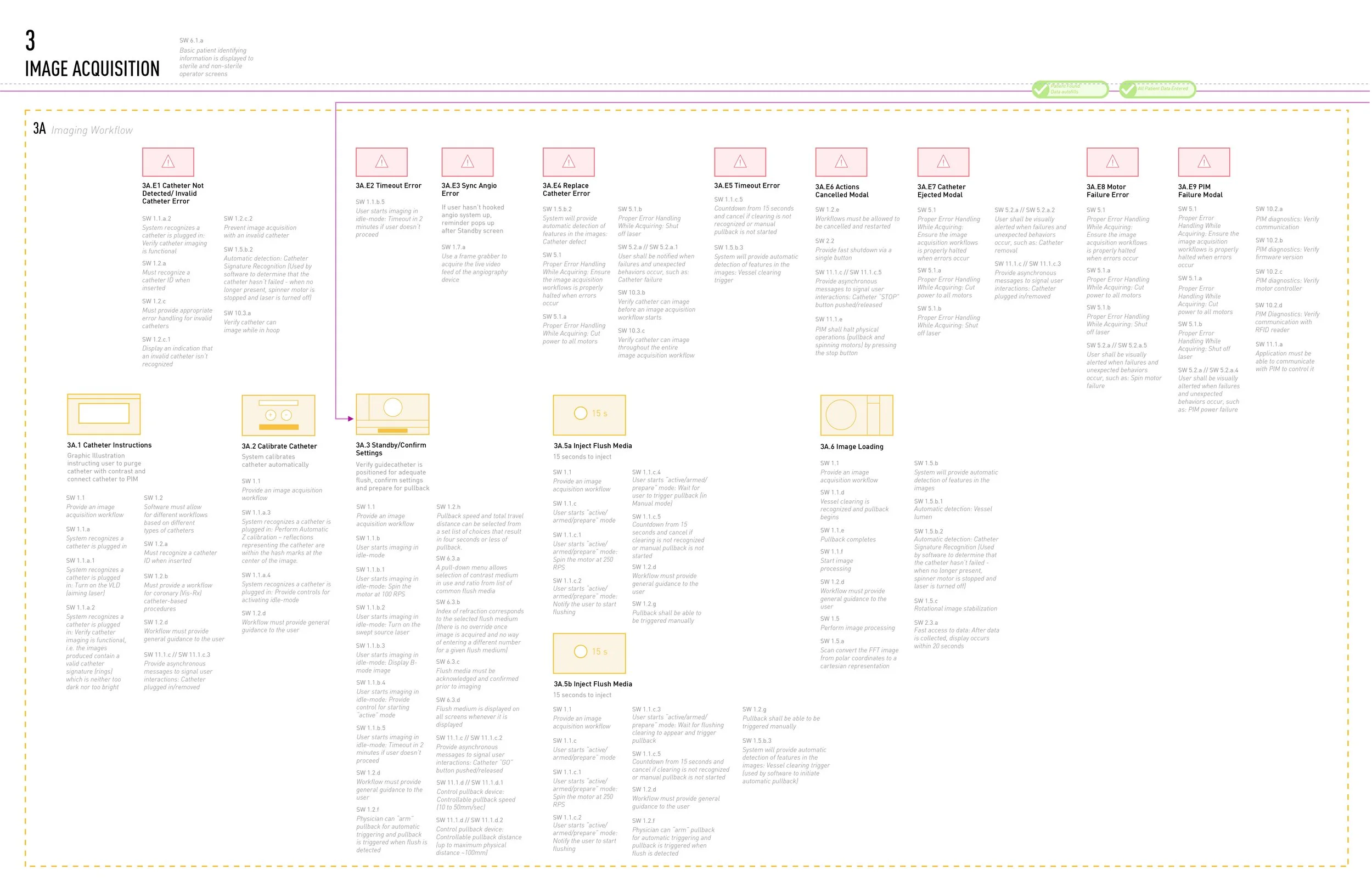
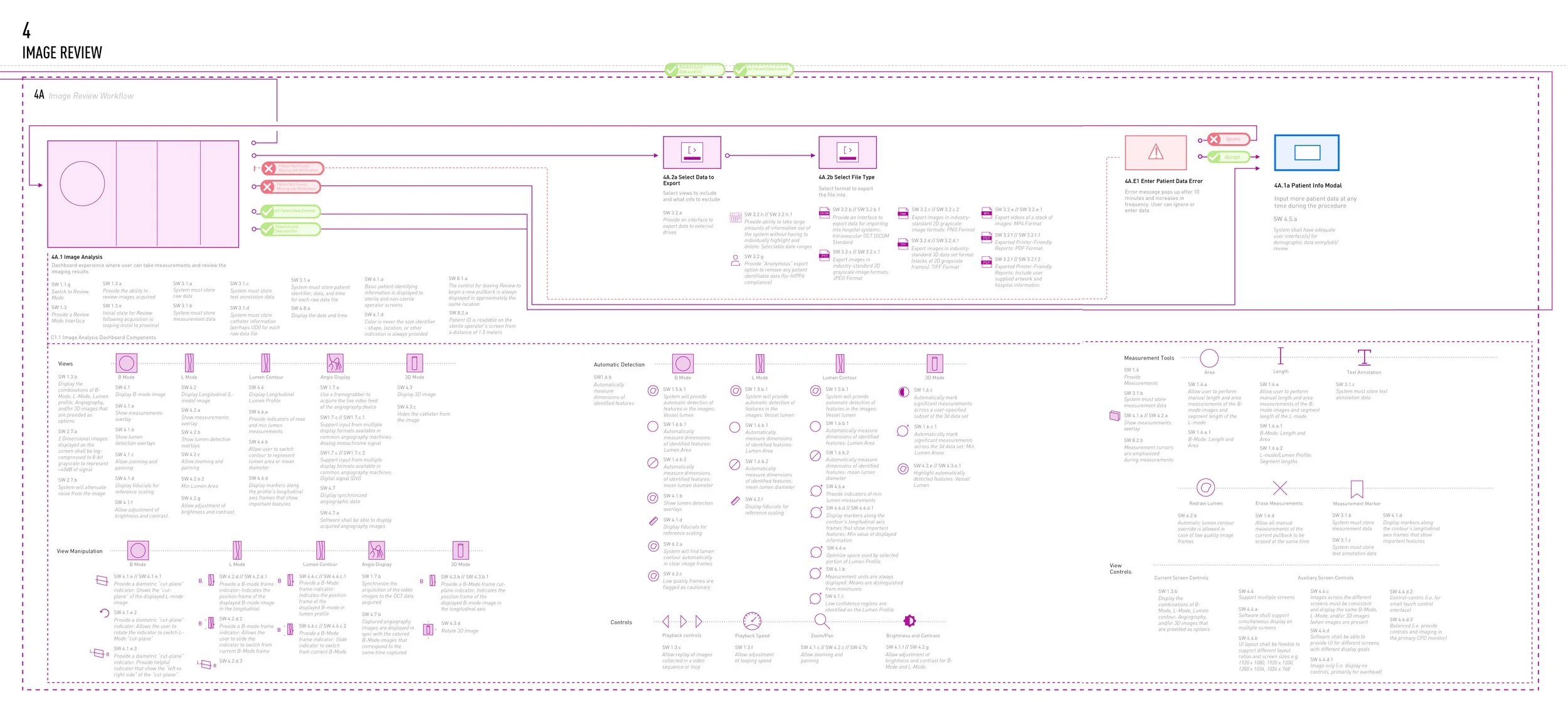
When designing the system architecture, we took careful consideration of all the user needs, marketing needs, software requirements and error modes each step of the way.
Because the end product needed to be FDA-compliant, it was crucial that our documentation was highly detail-oriented.
Formative Research Study 02
Which features and functionalities need improvement?
The interface we were designing was feature rich, and it was important that we received honest feedback from real users. We led our test participants through a series of functional preferences tests, as well as visual preference tests. Then, we synthesized our discoveries which helped guide the final UI design.
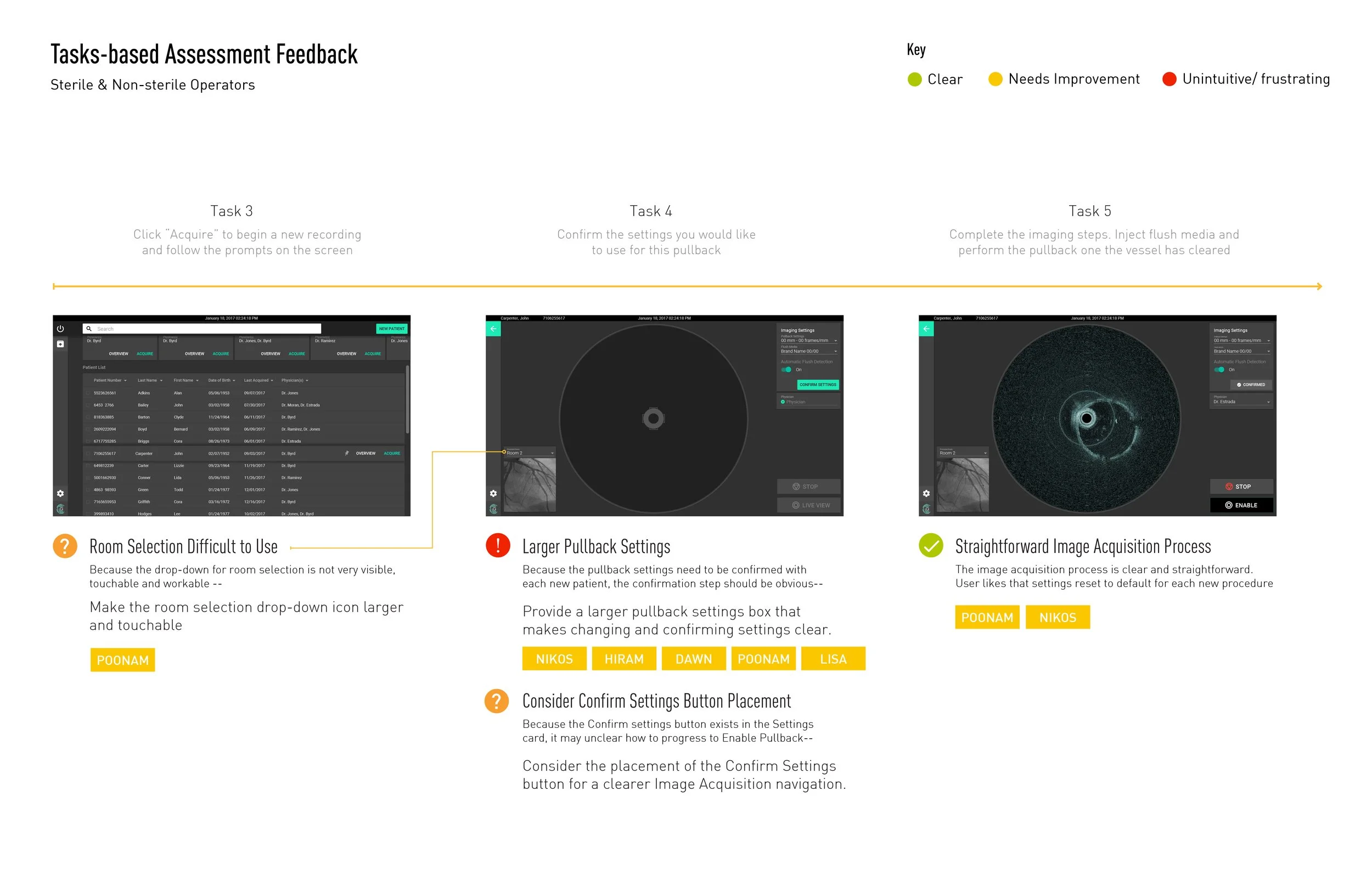
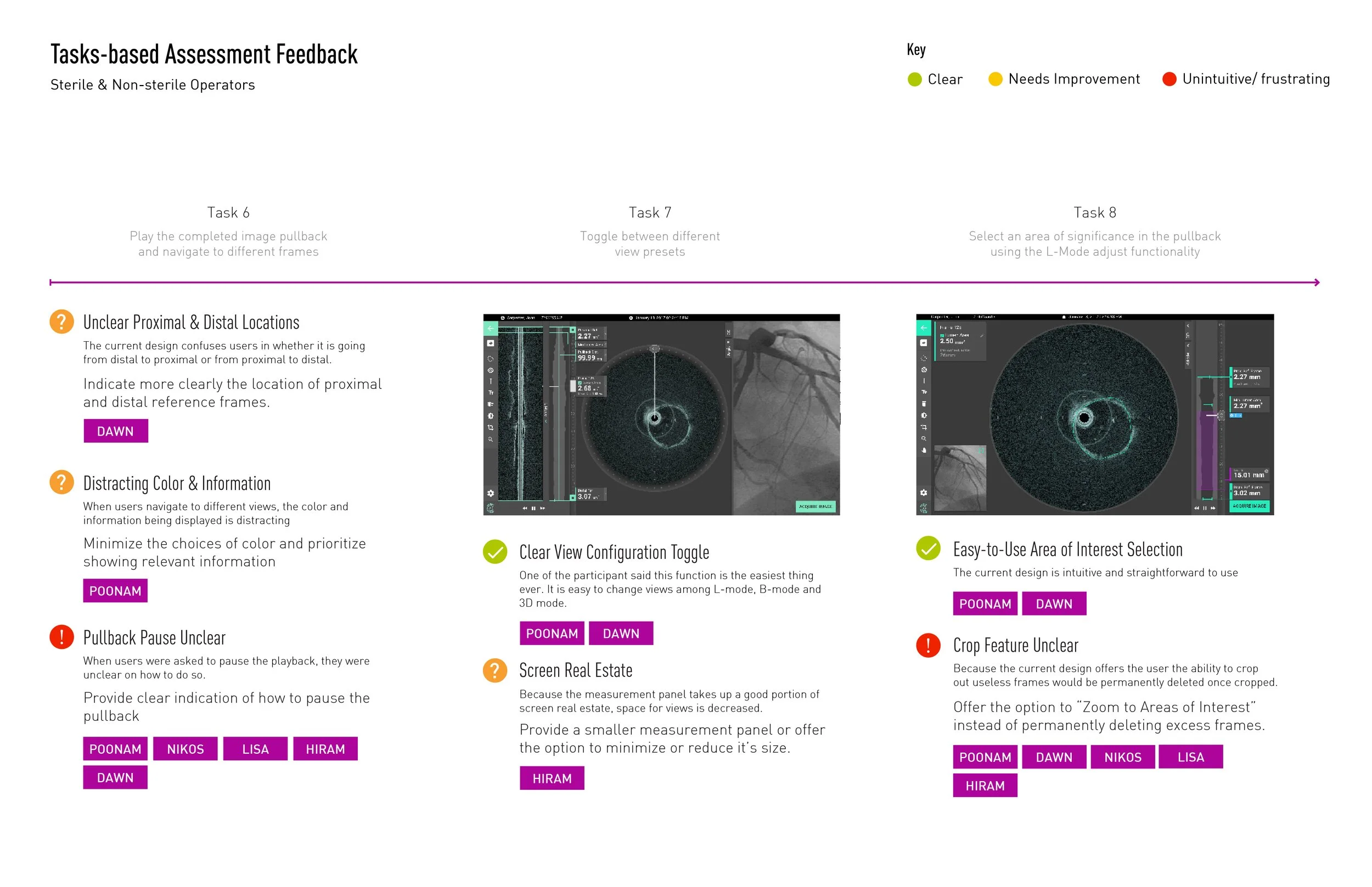
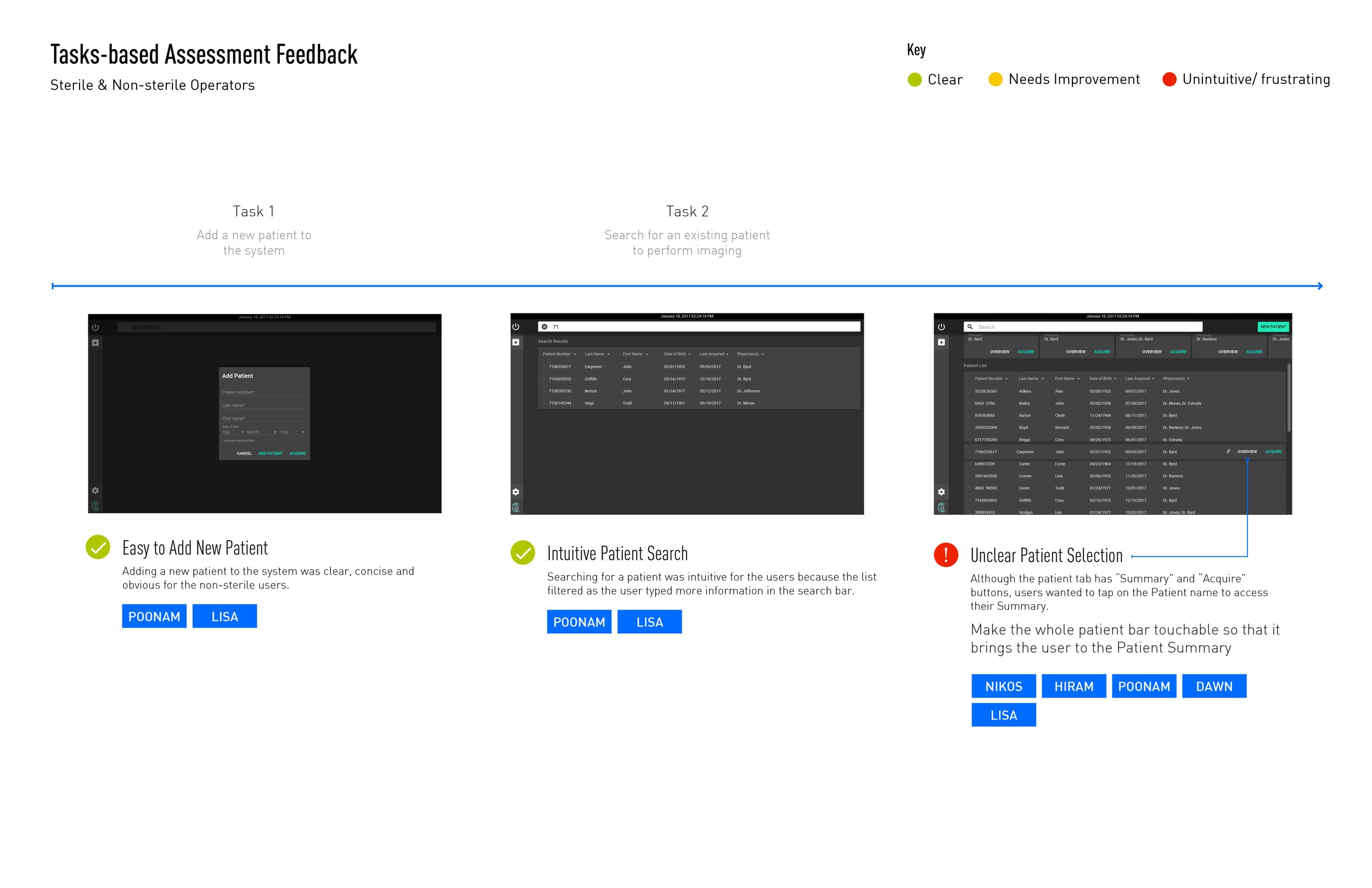
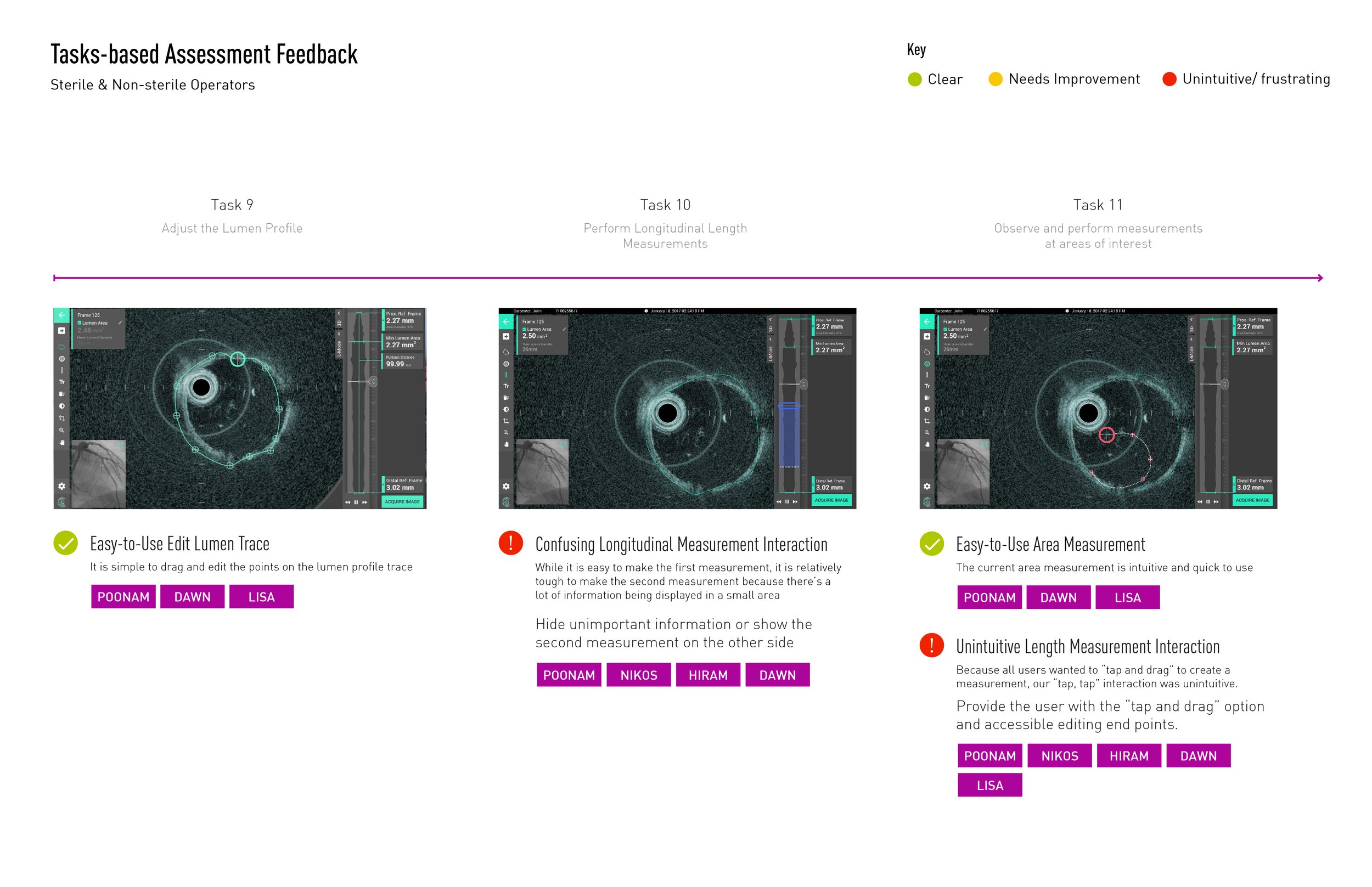
Formative Research Study Video Compilation
Leveraging high fidelity prototypes to both validate and challenge our designs
For our second formative research study, we strung together a video of pre-recorded clickable prototypes. Section by section, we had our participants watch the video, and then answer which interaction or UI choice that they preferred.
User Interface Design
Delivering consistent, accessible and user-informed experiences
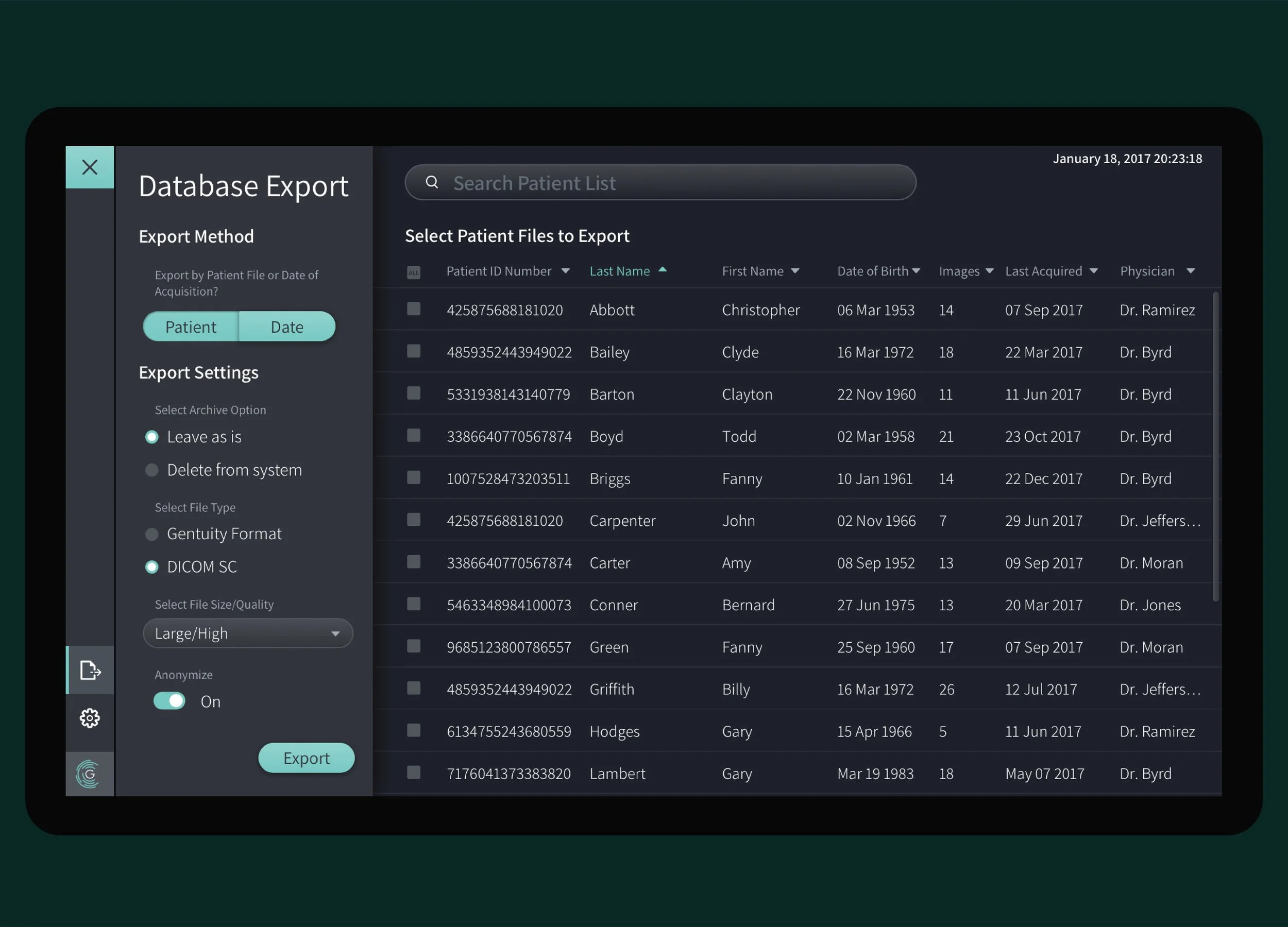
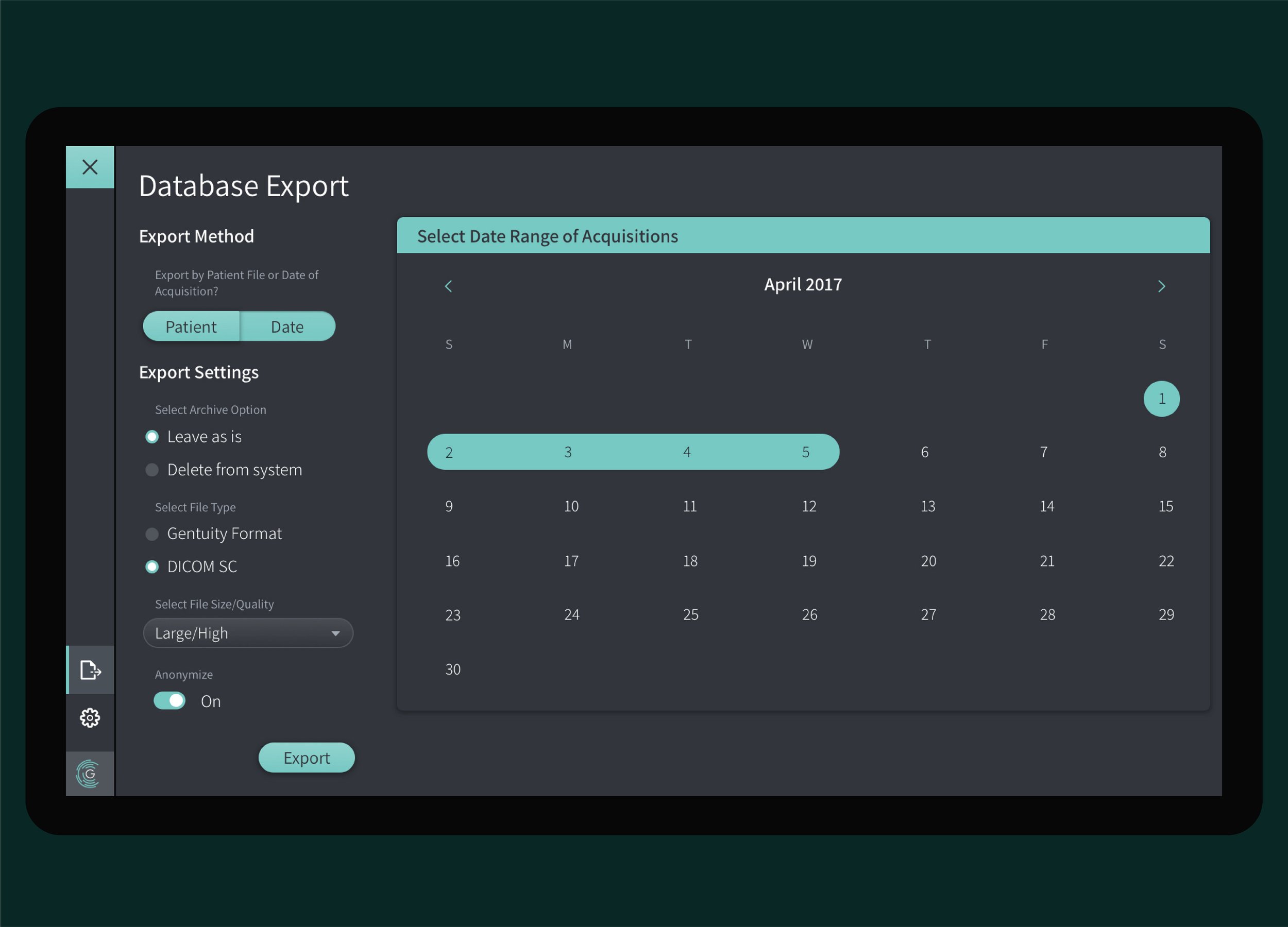
From early wireframes, to a final handoff, we worked with the developers on the Gentuity team to iteratively develop and test the user interface. We brought in insights from user feedback to make improvements, and relied on Google Material 2 industry standards and best practices to create a design system that was consistent and user-friendly.
Patient Database & Patient Close-up screens
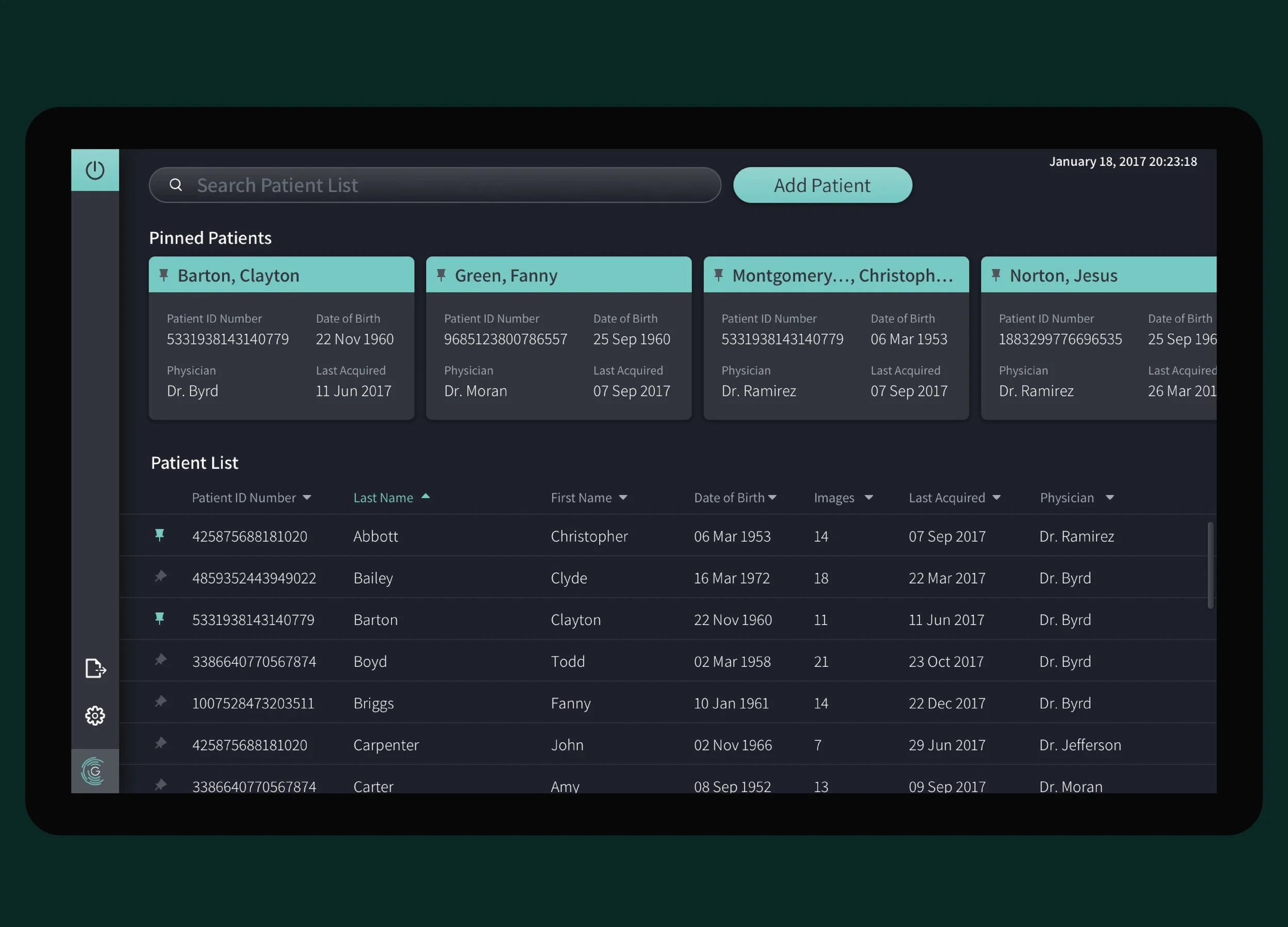
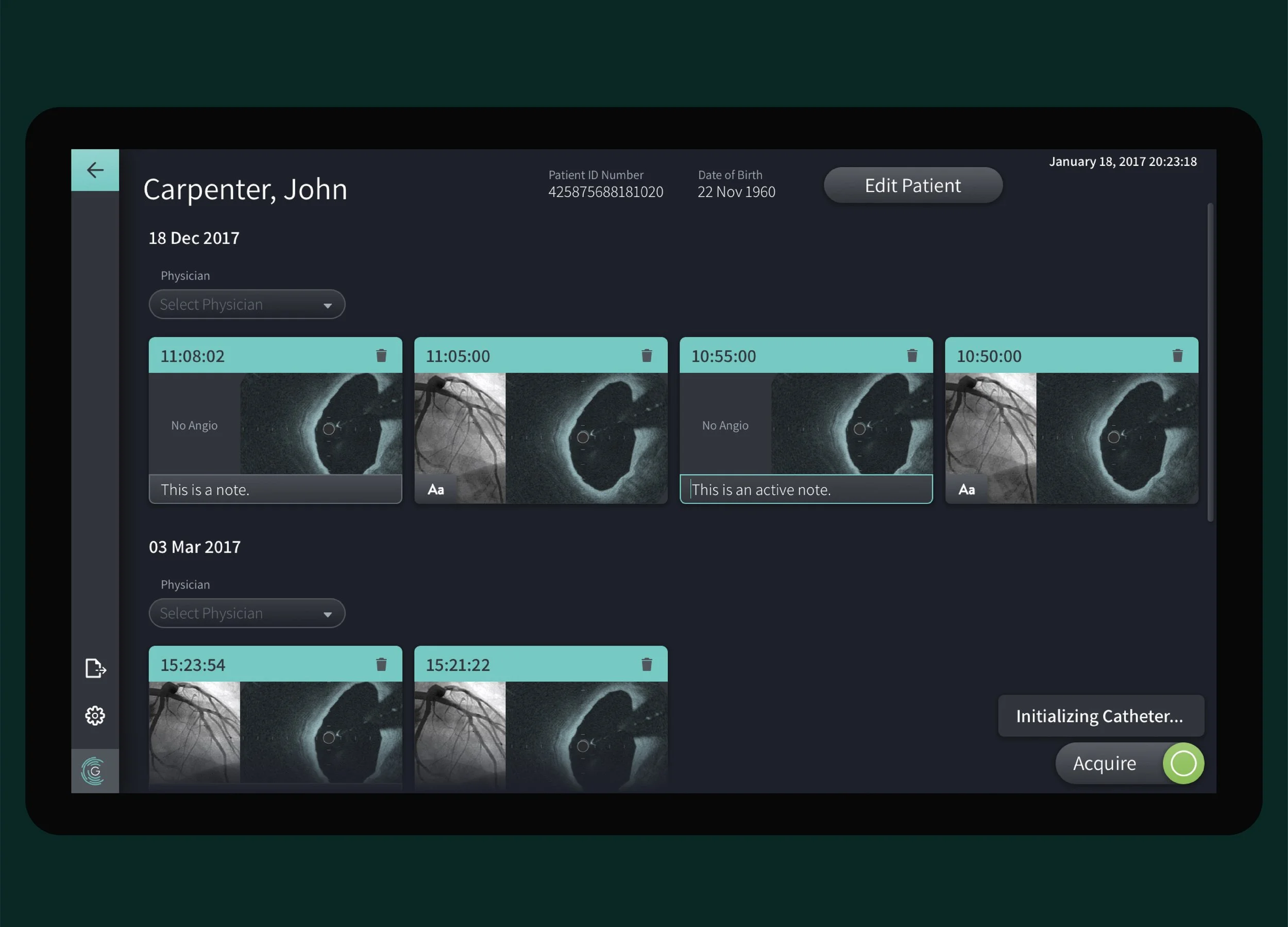
Image Acquisition screens
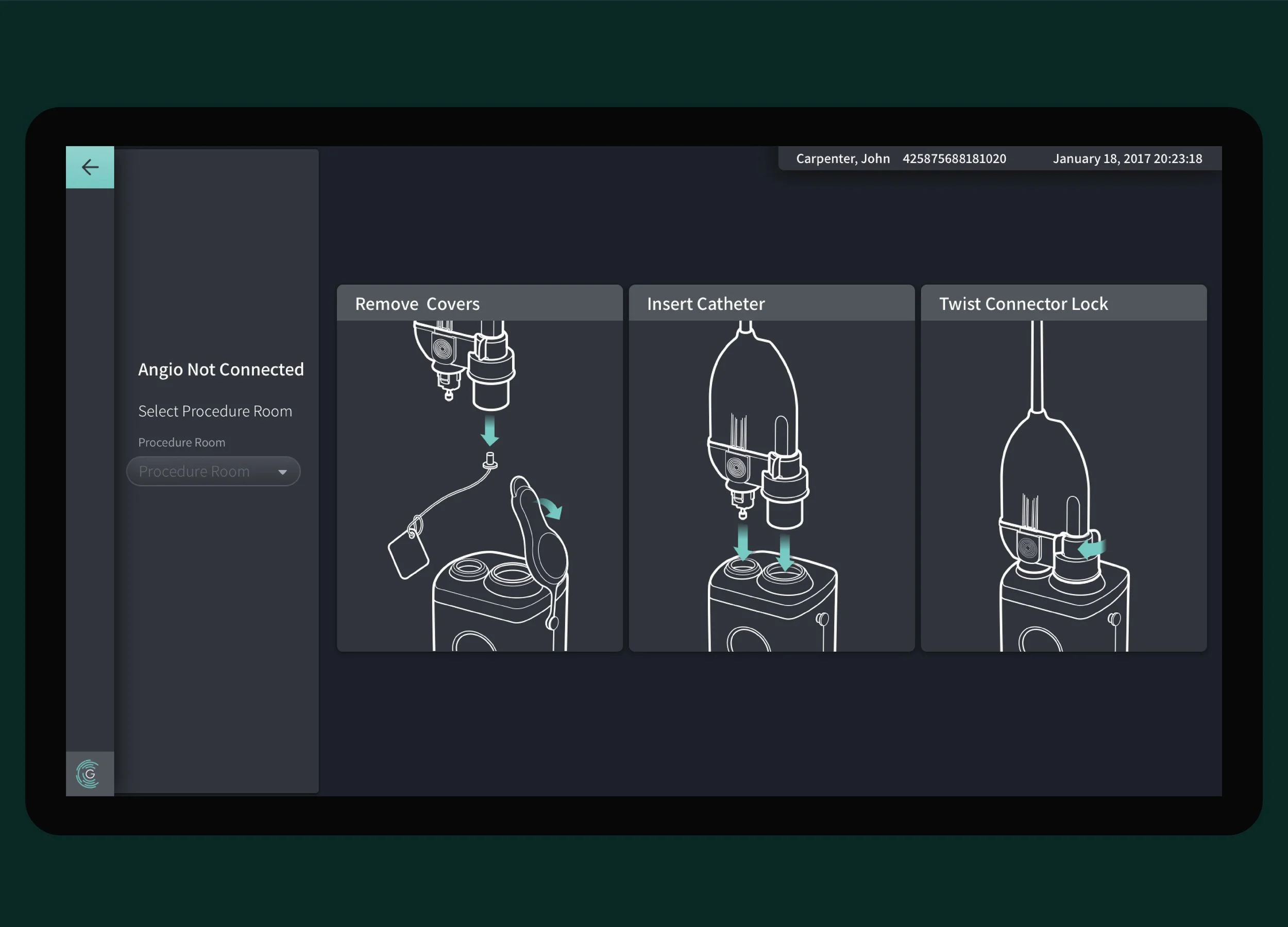
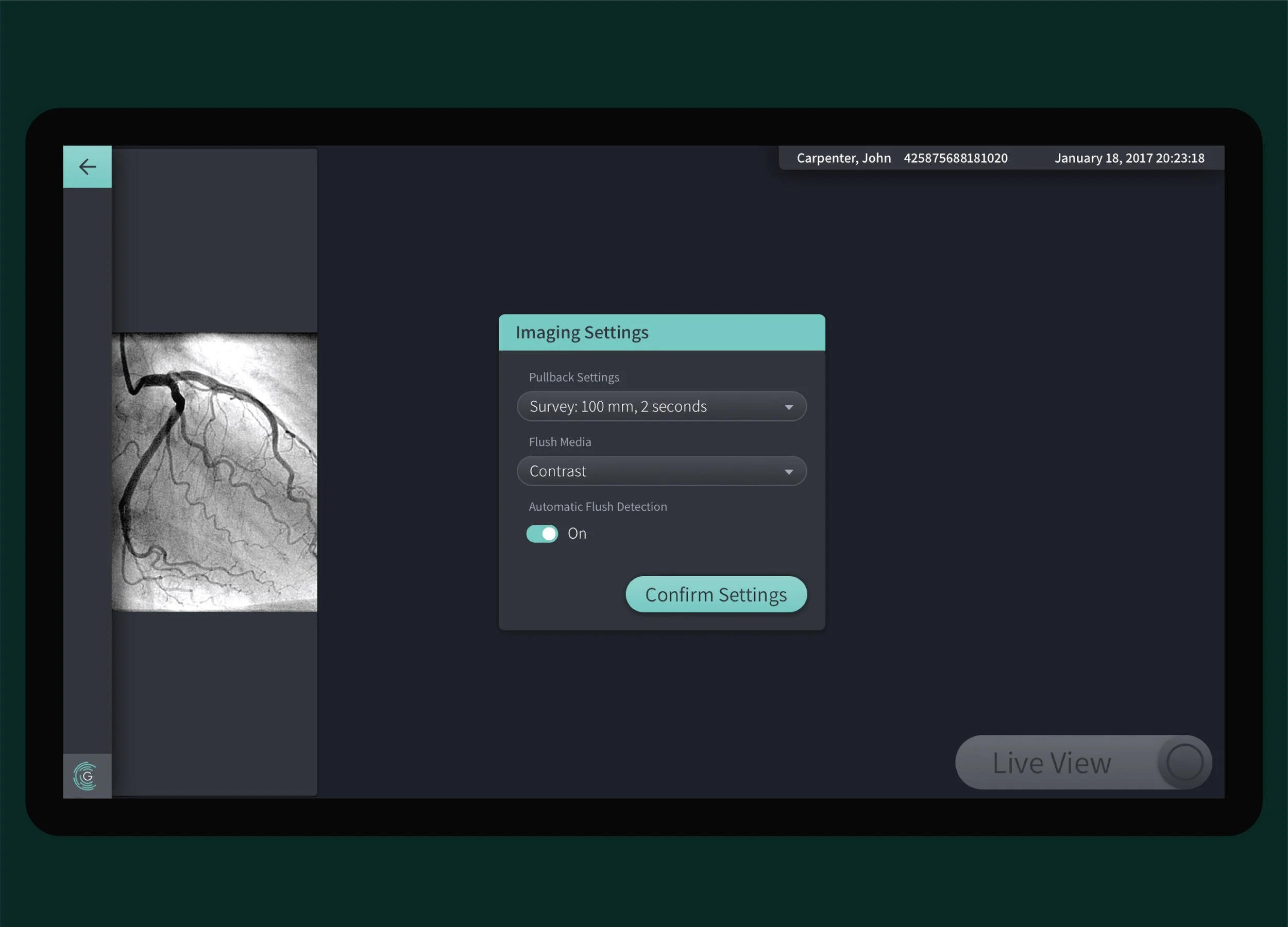
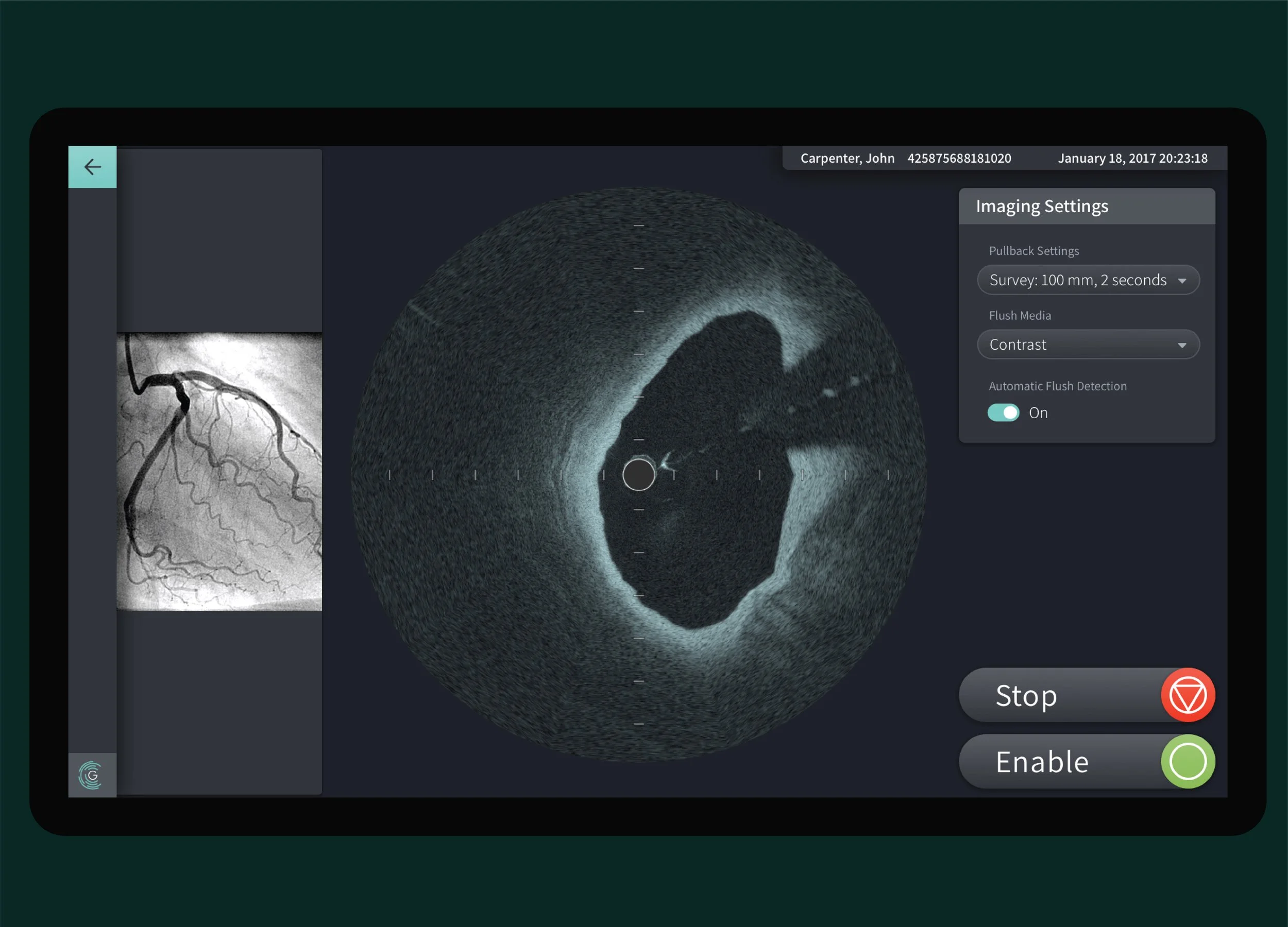
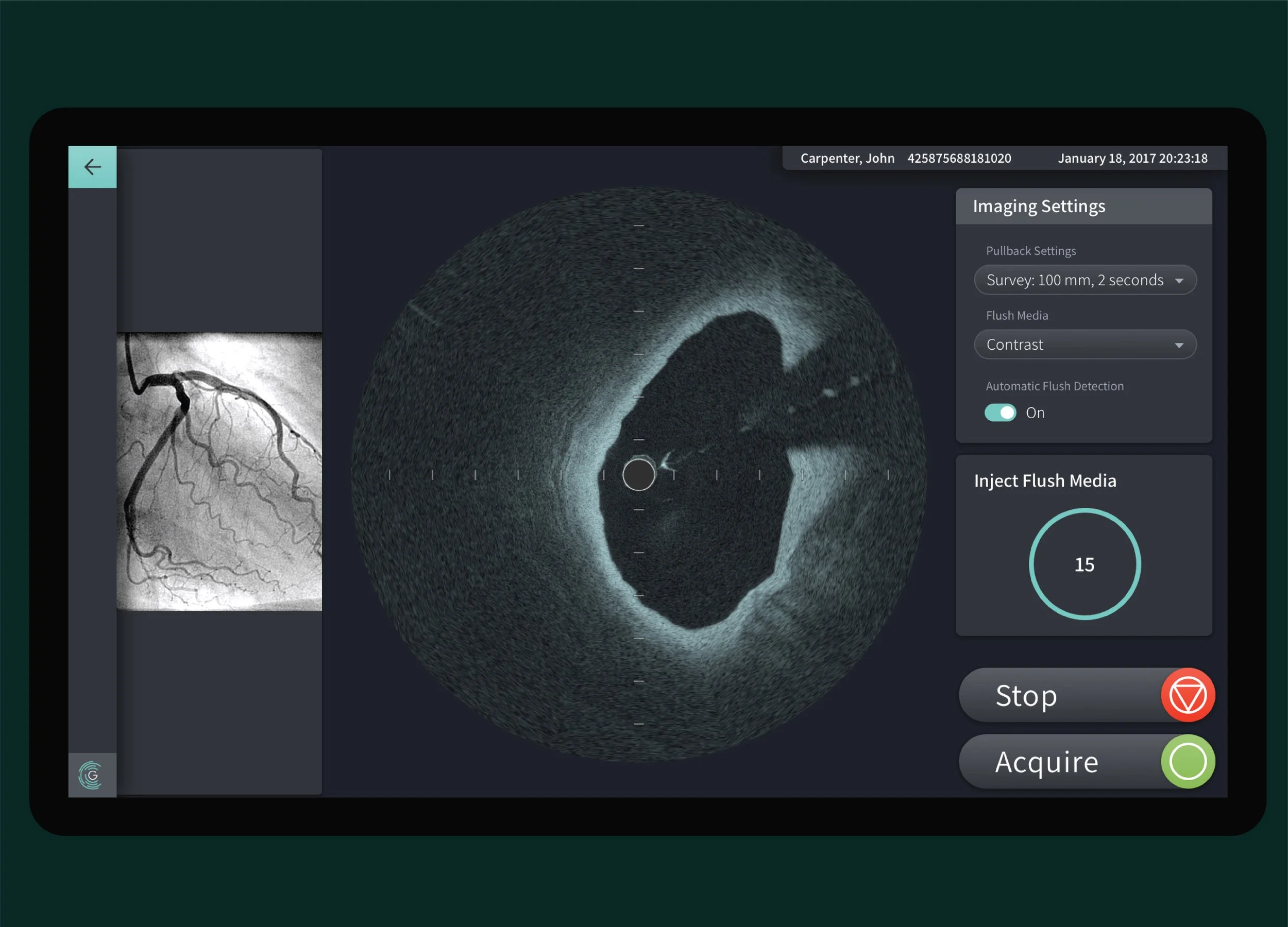
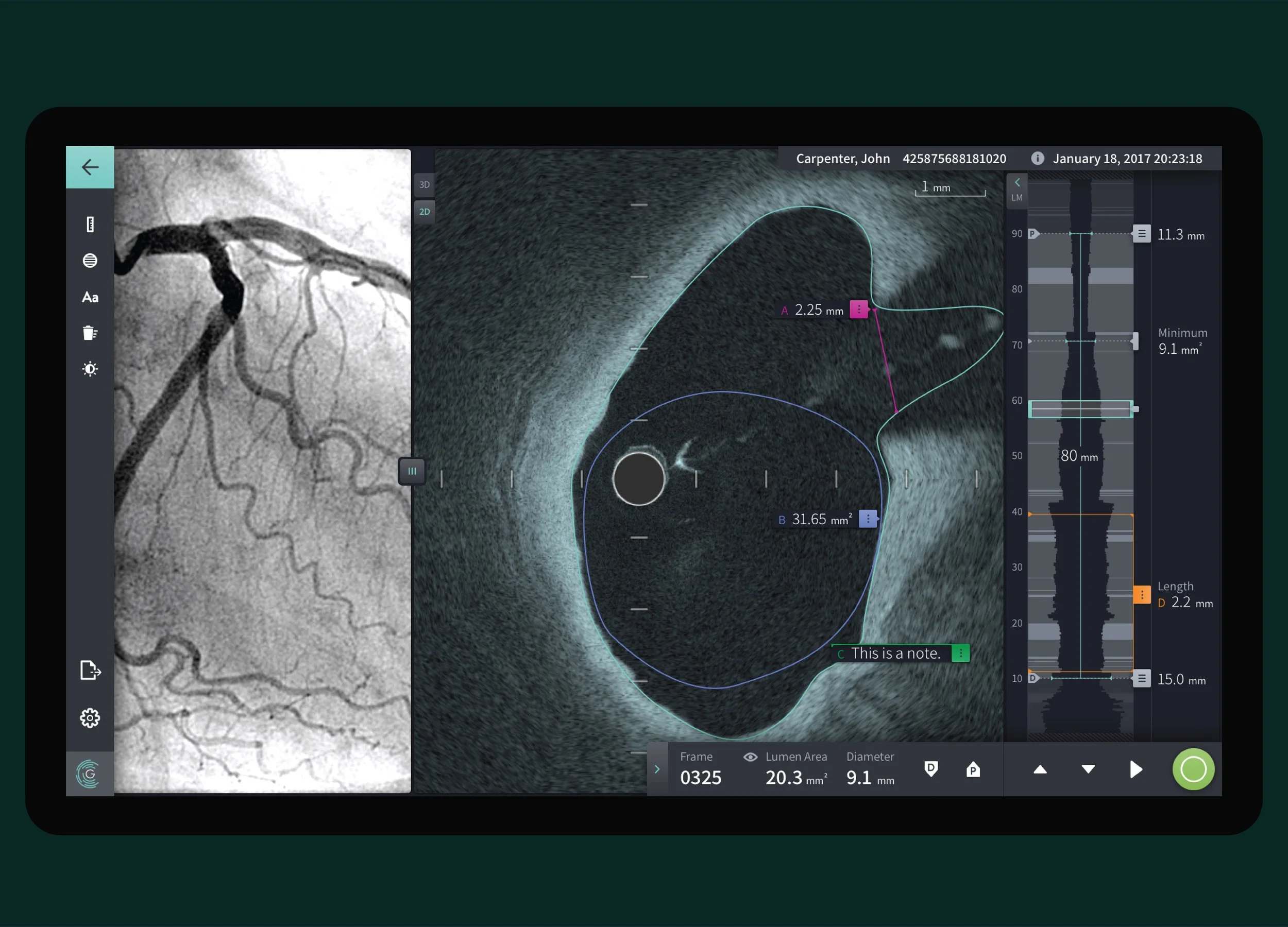
Image Review screens
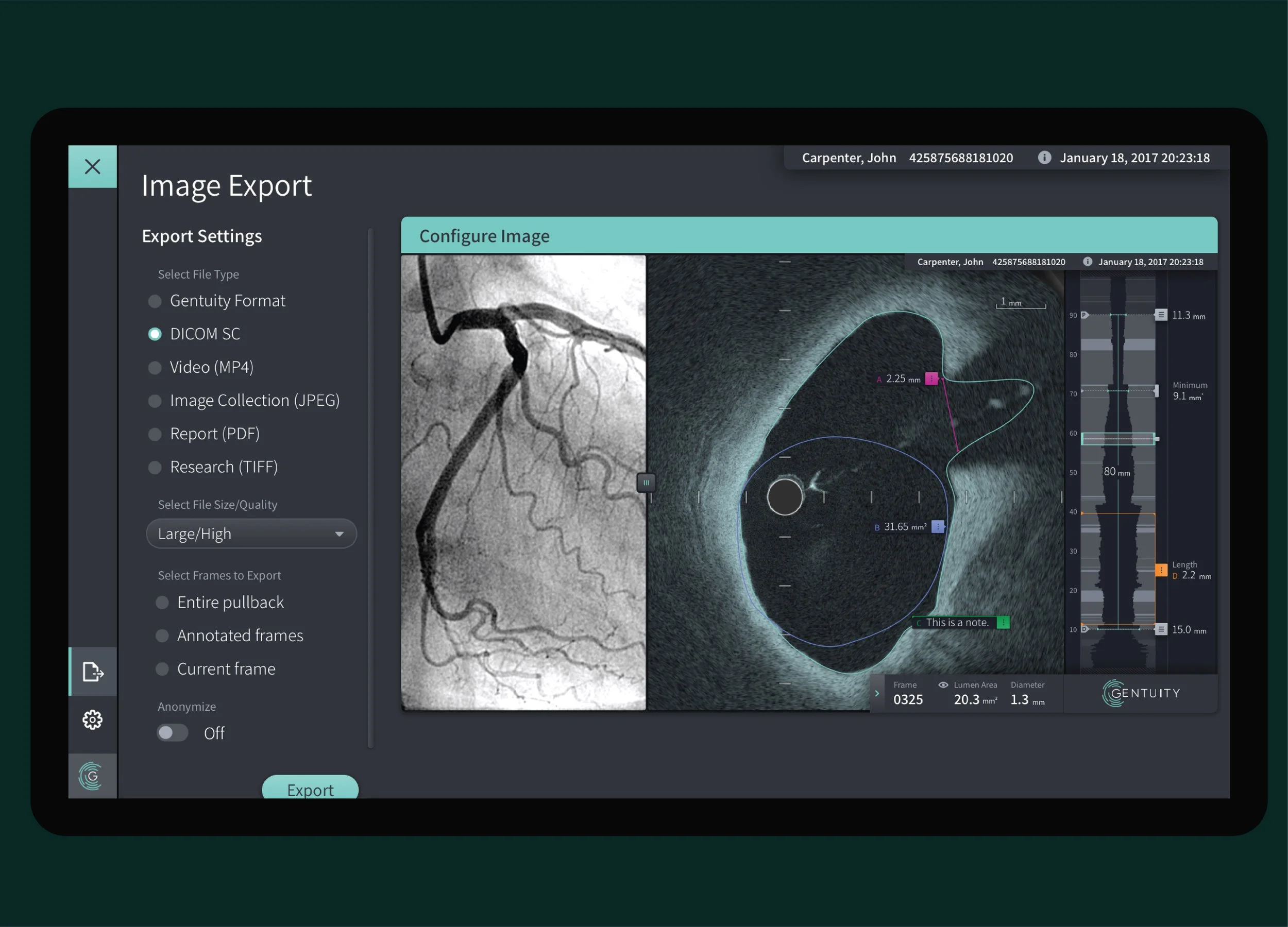
Database Export
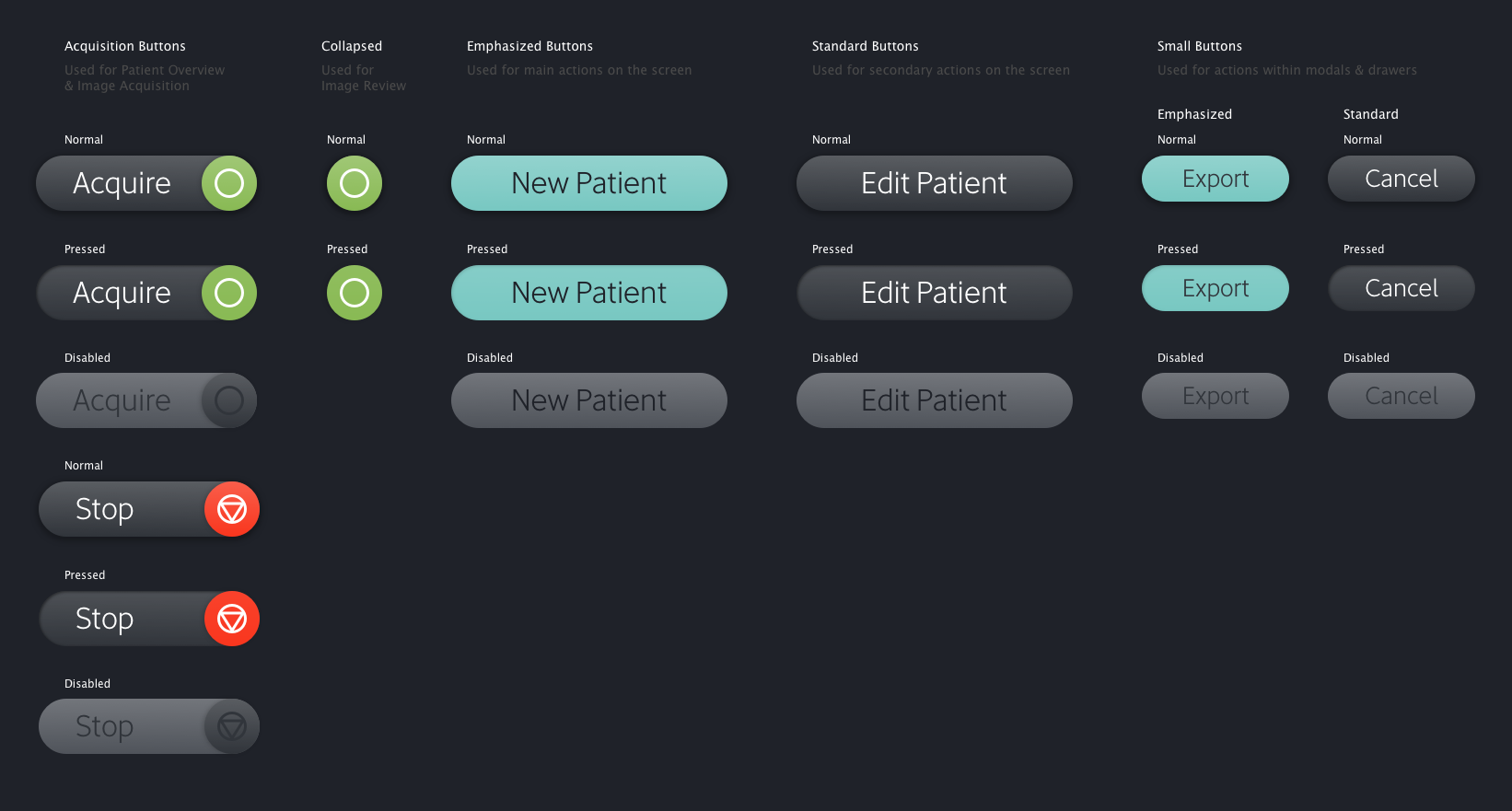
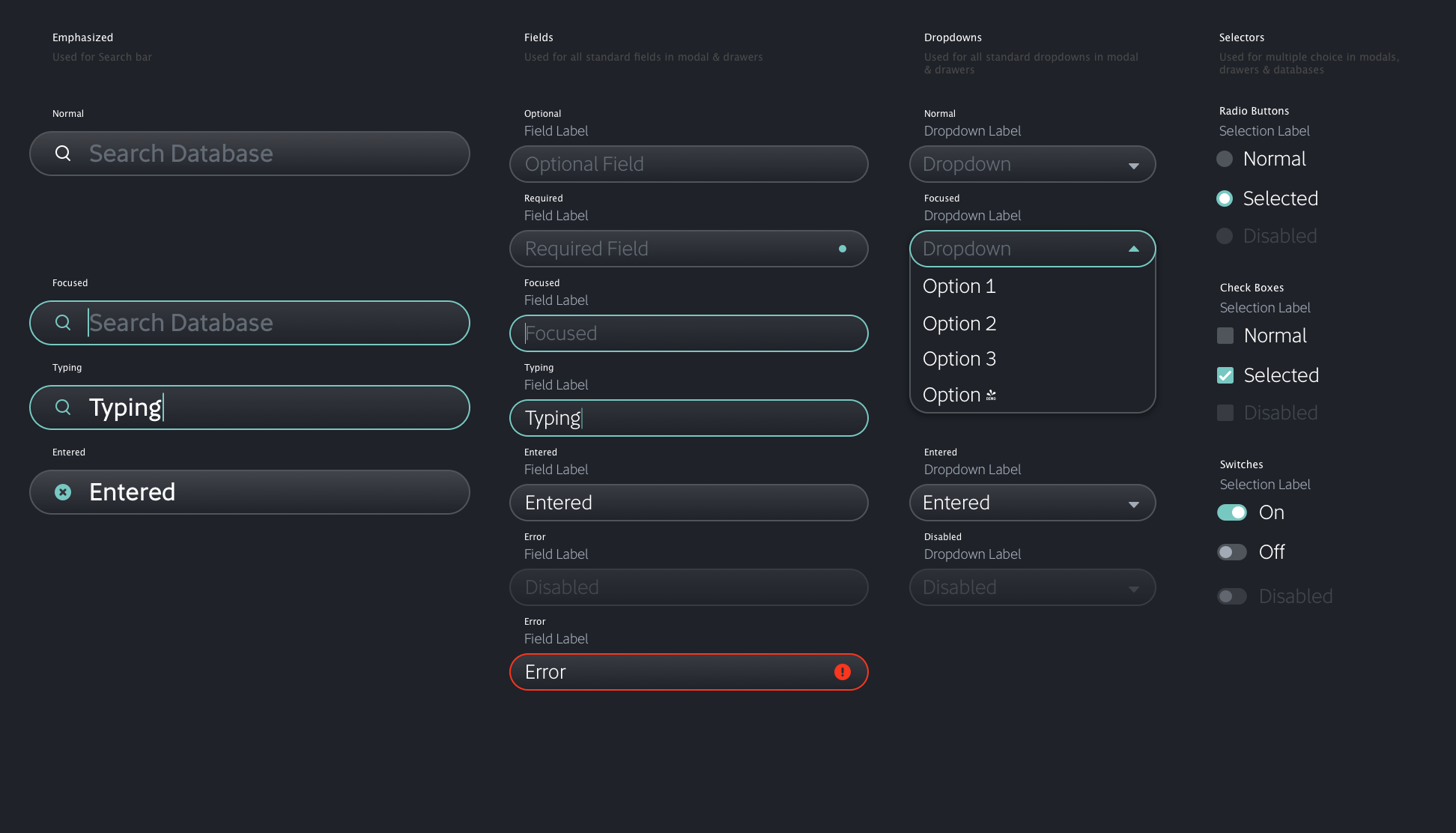
UI Style Guide